
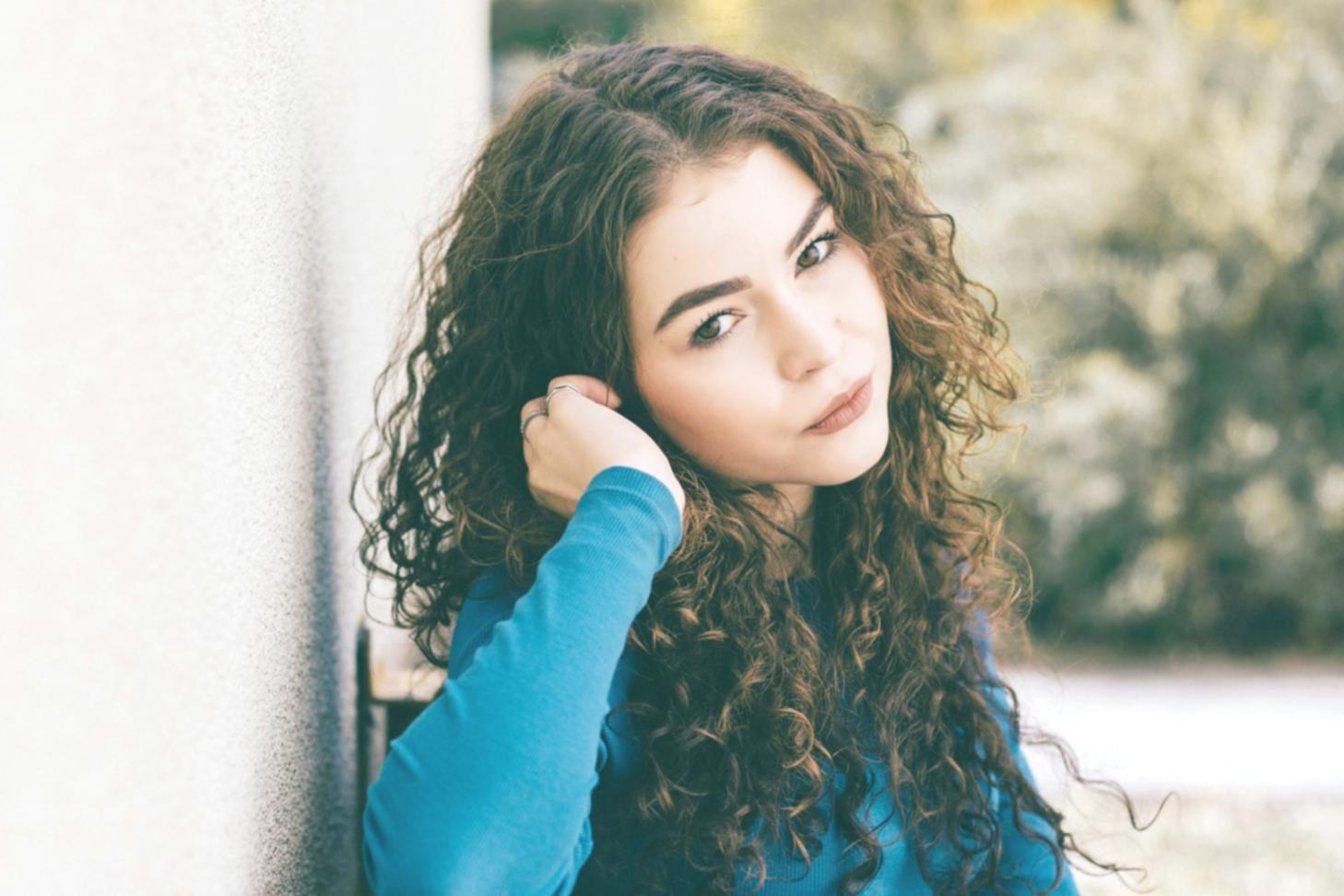
Balayage changed how we think about highlighting hair. Instead of using foils and systematic sectioning, you paint color directly onto the hair surface. The result looks like the sun naturally lightened certain pieces.
This technique requires understanding how light hits hair when it moves. You are not just applying color randomly. Each stroke considers the hair's natural fall, the client's face shape, and how different sections catch light.
Why This Method Works
Traditional foil highlights create uniform lightness from root to tip. Balayage builds dimension by varying intensity. The hand-painted strokes allow you to:
- Control exactly where lightness appears
- Blend multiple tones in single sections
- Create softer regrowth lines
- Adapt placement to individual hair movement
The learning curve involves understanding saturation levels. Too much product creates harsh lines. Too little gives uneven lift. You will spend time learning how different hair textures absorb lightener.
Technical Considerations
Hair porosity affects everything. Damaged ends lift faster than virgin roots. You need to account for this by adjusting your developer strength and application thickness throughout the head.
Sectioning matters more than people realize. The angle you hold each section changes how visible the highlight becomes when the hair falls naturally. Practice on mannequins helps you understand these relationships before working on clients.
Color theory knowledge is essential. Balayage often involves lifting hair several levels, which means dealing with underlying pigments. You cannot just paint lightener and expect perfect blonde tones on dark hair without toning.
Processing time varies based on desired lift and starting level. Checking your work every 10 minutes prevents over-processing. Some stylists cover balayage sections with plastic to generate heat, while others prefer open-air processing for subtler results.